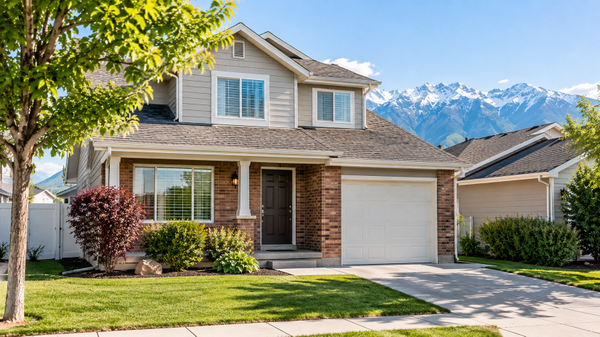

Home Repairs Before Listing in Salt Lake County, UT: What's Worth the Cost
The home repairs before listing in Salt Lake County, UT that are most worth considering usually involve visible maintenance issues, safety concerns, and conditions that could affect buyer confidence. Homeowners preparing to sell in Salt Lake County, including West Jordan, Sandy, and Riverton, should focus on improvements that support their asking price and reduce potential negotiation challenges rather than investing in major renovations without a clear return. A practical repair strategy can help your property show well, compete with similar homes, and avoid preventable surprises during inspections and closing.
Before You Spend a Dollar: A Salt Lake County Seller Checklist
- Inspect first: Would a pre-listing inspection help identify maintenance, safety, or system concerns that should be evaluated before photography and showings?
- Know your price tier: Does your home's condition align with what buyers typically expect from comparable properties in your neighborhood and price range?
- Set buyer expectations: Are buyers likely to expect move-in-ready condition based on your proposed asking price and competing listings?
- Review competing listings: Have similar properties addressed visible wear, interior paint, landscaping, or important maintenance issues?
- Confirm your timeline: Can the proposed repairs be completed properly, with appropriate permits when required, before your home enters the market?
Salt Lake County, UT Market Snapshot for Sellers
Salt Lake County's 2025 residential real estate market recorded a median sale price of $550,000 and a median marketing time of 36 days, according to the Salt Lake Board of Realtors' 2026 Housing Forecast Report. More recent August 2026 market reporting showed a countywide median sold price of $550,000 and 39 median days on market for all housing types. These figures provide useful context, but sellers should still evaluate neighborhood-level competition, home condition, and current buyer expectations before deciding which repairs are financially worthwhile.
- Median sale price: $550,000 for Salt Lake County residential sales in 2025, with the August 2026 monthly median also reported at $550,000.
- Median days on market: 36 days in 2025, compared with 29 days in 2024. The August 2026 monthly figure was 39 days across all housing types.
- Market setting: Buyers have opportunities to compare available properties, making competitive pricing, maintenance, and presentation important considerations.
- Inspection strategy: Potential repair requests depend on property condition, age, price range, disclosed issues, and the documentation available for previous maintenance.
How to Think About Pre-Listing Repairs in Salt Lake County, UT
Salt Lake County homeowners should approach pre-listing repairs as a way to improve marketability and reduce uncertainty rather than as an obligation to renovate the entire property. The county's median days on market increased from 29 in 2024 to 36 in 2025, according to the Salt Lake Board of Realtors. This change suggests that sellers should pay close attention to competitive pricing and property presentation instead of assuming buyers will overlook visible maintenance concerns.
Buyers may accept older finishes when a home's asking price accurately reflects its condition. However, peeling paint, water stains, damaged flooring, unsafe handrails, malfunctioning fixtures, or neglected mechanical systems can raise questions about additional repair expenses. Addressing these issues before listing may reduce uncertainty and make the property easier for buyers to evaluate.
For mid-range and luxury properties, buyer expectations should be assessed against similar homes in the same market segment. Sellers do not necessarily need to replace dated but functional finishes. Instead, they should identify which visible defects or maintenance concerns could make their property less competitive than nearby alternatives.
Understanding buyer priorities can also help determine where repairs are most valuable. For example, buyers considering entry-level properties may focus heavily on immediate ownership expenses, system condition, and affordability. Reviewing what Salt Lake County starter-home buyers consider before purchasing can help sellers understand why a well-maintained property may appeal to buyers working within a defined budget.
Begin by reviewing homes in the same neighborhood, price range, and condition category. Then evaluate whether each proposed repair improves first impressions, addresses a functional concern, reduces inspection uncertainty, or helps support the property's asking price.
Repairs That Almost Always Pay Off
The most practical home repairs before listing in Salt Lake County, UT often involve improvements that make a property appear well maintained, function properly, and present consistently during showings. Although no repair guarantees a financial return, addressing obvious defects can help reduce buyer concerns and support a smoother transaction.
Fresh Interior Paint
Fresh interior paint can brighten rooms, improve listing photographs, and help buyers focus on the property's layout rather than heavily personalized colors or worn surfaces. Patch visible holes, repair peeling areas, and use consistent, neutral finishes where walls show substantial wear. A complete repaint may not be necessary when existing surfaces are clean and in good condition.
Safety and Functional Issues
Visible safety and functional concerns should receive attention before cosmetic improvements. These may include exposed or damaged electrical components, plumbing leaks, unstable handrails, malfunctioning doors, drainage problems, or unsafe walking surfaces. Use qualified professionals for repairs that require specialized expertise, and confirm whether local permits or inspections are necessary. Properly completed repairs can help reduce uncertainty during the buyer's inspection process.
HVAC Service and Mechanical Maintenance
Heating and cooling systems are important considerations for Utah homeowners because of seasonal temperature changes. Before listing, consider servicing equipment that has not received recent maintenance, replacing filters, and addressing known operational problems. Keep service records and repair documentation available so prospective buyers can better understand the system's maintenance history. Routine servicing does not guarantee future performance, but it can demonstrate responsible property care.
Active Leaks and Water Damage
Active leaks should be evaluated and corrected before cosmetic repairs are completed. Whether the source involves roofing, plumbing, drainage, or exterior water intrusion, covering a stain without addressing the underlying problem can lead to additional damage and disclosure concerns. Once the source has been repaired, damaged materials should be assessed and restored appropriately. Maintain records of completed work and disclose known material conditions as required.
Curb Appeal
A clean entryway, working exterior lighting, maintained landscaping, and an attractive front door can improve the first impression buyers receive before entering the property. These improvements may involve relatively modest work compared with major remodeling projects. The 2025 National Association of Realtors' Remodeling Impact Report identified whole-home painting, single-room painting, and new roofing among projects frequently recommended by real estate professionals before a sale. However, the appropriate scope depends on the property's existing condition, local buyer expectations, and available budget.
Pre-Listing Repair ROI: What to Fix vs. What to Skip
National remodeling research can help homeowners identify projects that may improve a property's presentation or resale appeal, but the financial return on individual repairs varies. Salt Lake County project costs depend on home size, material selection, contractor availability, and the extent of the work. Rather than assuming a specific return on investment, sellers should compare repair estimates with nearby comparable sales and likely buyer concerns. The following table provides a practical framework based on the property's condition and guidance from the National Association of Realtors' 2025 Remodeling Impact Report.
| Repair Category | Typical Cost Range | Likely Return at Sale | Recommended Action |
|---|---|---|---|
| Interior paint | Varies by room count, preparation, and paint quality | Can improve presentation when existing paint is worn, damaged, or highly personalized | Fix where needed |
| Roof repair vs. replacement | Depends on inspection findings, materials, and repair scope | Correcting active defects may reduce inspection concerns; full replacement is not always justified | Evaluate, repair, and disclose as required |
| Kitchen update | Varies by fixture, cabinet, countertop, and appliance work | Selective improvements may strengthen appeal, while a full redesign may not recover its cost | Fix selectively |
| Bathroom refresh | Varies by fixtures, surfaces, plumbing, and labor | Can improve buyer confidence when focused on cleanliness, function, and damaged finishes | Fix selectively |
| HVAC service | Depends on maintenance and repair needs | May reduce concerns about system operation and deferred maintenance | Service and repair known issues |
| Foundation or structural issues | Requires professional evaluation and a project-specific estimate | Depends on severity, repair quality, documentation, and buyer financing requirements | Evaluate professionally; repair or negotiate, and disclose as required |
| Landscaping and curb appeal | Depends on yard size, cleanup, and improvement scope | Can support stronger listing photographs and a more appealing first impression | Focus on practical maintenance |
| Flooring replacement | Varies by material, square footage, and installation | Most useful when visible damage or substantial wear affects presentation and usability | Repair or replace selectively |
Repairs That Rarely Pay Off and What to Do Instead
Major renovations may not provide a worthwhile financial return when completed solely to prepare a Salt Lake County, UT home for sale. Although buyers often appreciate updated finishes, they may not be willing to pay enough extra to recover the seller's investment in new cabinetry, countertops, tile, fixtures, or elaborate landscaping. The decision should depend on comparable properties, the home's condition, and the total project cost.
A complete kitchen or bathroom renovation can require substantial time and money while creating scheduling risks before listing. A more practical approach may be to repair damaged surfaces, replace malfunctioning fixtures, improve lighting, refresh caulking, and clean thoroughly. If the existing finishes are dated but functional, an asking price that reflects their condition may be more appropriate than undertaking a major redesign.
Swimming pool installations and extensive landscaping projects also deserve careful consideration. These improvements may increase maintenance responsibilities or appeal to a narrower group of buyers. Unless comparable sales demonstrate clear demand for these features, focus on safe walkways, healthy landscaping, functional outdoor areas, and an attractive entryway.
Premium fixtures and highly customized finishes can create similar challenges. Specialty lighting, luxury hardware, and personalized design choices may not match the preferences of future buyers. Instead of committing to expensive upgrades, consider whether improved staging, realistic pricing, or a negotiated seller credit could better address the issue. Comparing your property with nearby homes through Salt Lake County neighborhood information can help establish what buyers are likely to expect within your price range.
Disclosure vs. Repair: Know the Difference
- Repair practical issues: Address safety concerns, functional problems, and significant maintenance defects when repairs can be completed correctly before listing.
- Disclose known conditions: Provide accurate information about known material defects and complete the applicable Utah seller disclosure documents according to the purchase agreement and legal requirements.
- Avoid rushed work: Poor-quality repairs may create additional concerns, lead to inspection findings, or complicate negotiations.
- Consider a credit: A negotiated seller credit may be appropriate when a repair is clearly understood, the buyer prefers to manage the work, and the arrangement complies with the purchase contract and financing requirements.
Utah sellers should understand that disclosure responsibilities and repair negotiations are separate issues. Known material defects may need to be disclosed even when a property is marketed in its existing condition. The commonly used Utah Real Estate Purchase Contract also establishes seller disclosure obligations and transaction deadlines. Sellers should review applicable forms and requirements using resources from the Utah Division of Real Estate and seek legal guidance when necessary. Before deciding whether to repair an issue or negotiate a credit, consider the severity of the condition, available contractor estimates, financing requirements, and the property's market position.
The Pre-Listing Inspection: Should You Get One in Salt Lake County, UT?
A pre-listing inspection is a property evaluation arranged by the seller before placing the home on the market. It can help identify visible defects, maintenance concerns, and system issues that might otherwise become negotiation points after a purchase agreement is signed. Although a pre-listing inspection is generally optional, it may be useful for sellers who want a clearer understanding of their property's condition before inviting buyers to tour it.
The main benefit is having additional time to evaluate potential concerns. Depending on the inspection findings, sellers can obtain repair estimates, complete selected work, gather supporting documentation, adjust their asking price, or prepare accurate disclosures. Maintenance records and receipts for properly completed repairs can also help buyers understand the property's condition and repair history.
Inspection costs vary based on property size, age, accessibility, location, and any specialized services requested. Obtaining written quotes from qualified local inspectors is more reliable than assuming a standard inspection price. Sellers should also understand that a general home inspection may not evaluate every system or hidden condition.
The primary trade-off is that an inspection may reveal previously unknown defects that require further evaluation or disclosure. Sellers should consider how those findings could affect repair decisions and transaction obligations. A pre-listing inspection can be particularly helpful for older properties, homes with uncertain maintenance histories, or sellers who want additional time to address potentially significant concerns before negotiations begin.
How to Prioritize When Your Budget Is Limited
When your repair budget is limited, begin with safety concerns, functional problems, and conditions that could affect a buyer's ability to obtain financing. Active leaks, potentially unsafe electrical components, significant roof defects, structural concerns, and malfunctioning mechanical systems should generally receive attention before optional cosmetic improvements. Obtain qualified evaluations when the problem requires specialized knowledge.
After essential maintenance, focus on visible details that influence first impressions. Deep cleaning, decluttering, touch-up painting, replacing nonworking light bulbs, repairing damaged doors, and maintaining the front entry can help a home appear more inviting without requiring extensive renovation. These relatively manageable projects can also improve photographs and make rooms easier for buyers to evaluate.
Finally, compare the property with active listings and recent sales within the same neighborhood and price range. If competing homes offer newer finishes but your property remains functional and well maintained, adjusting the asking price or considering a negotiated seller credit may be more practical than a major renovation. Credits should be evaluated with the real estate and lending professionals involved because financing programs may restrict how they can be used.
Pro Tip: Deep cleaning, decluttering, and targeted paint repairs are often practical starting points for sellers with limited preparation budgets. Prioritize projects that address visible problems or make the home easier to evaluate, and avoid expensive improvements unless comparable sales and repair estimates support the investment.
Ready to List in Salt Lake County, UT? Let's Talk Strategy
Preparing your home for sale does not have to involve an extensive renovation. The right approach starts with understanding which repairs can improve presentation, address buyer concerns, and support a competitive asking price. Eric Prince of EP Realty Team works with homeowners throughout Salt Lake County, including West Jordan, Sandy, and Riverton, to evaluate selling strategies based on local market conditions and individual property needs. If you are deciding which improvements to complete before listing, connect with Eric Prince and EP Realty Team to discuss your property's condition, potential value, and next steps. You can also call or text (801) 835-2828 for guidance on preparing your Salt Lake County home for sale.
Frequently Asked Questions
How much should I budget for pre-listing repairs in Salt Lake County, UT?
Your repair budget should reflect the property's condition, asking-price range, and competition rather than a fixed percentage of its estimated sale price. Start by obtaining estimates for safety concerns, active maintenance problems, and visible defects. Once those expenses are understood, evaluate smaller cosmetic improvements such as painting, cleaning, and landscaping. Comparing repair costs with recent nearby sales can help determine whether additional spending is justified.
What repairs are required before selling a home?
Utah sellers generally do not need to complete every cosmetic or maintenance repair before offering a home for sale. However, known material defects must be addressed through applicable disclosure requirements, and certain conditions may affect financing, insurability, contractual obligations, or legal compliance. A seller may negotiate repairs, pricing, or credits depending on the circumstances, but selling a home as-is does not automatically eliminate disclosure responsibilities. Consult the appropriate professionals when legal or safety concerns arise.
Will buyers in Salt Lake County, UT accept an as-is listing, or do they expect repairs?
Some buyers may accept a property in its existing condition when the asking price, disclosures, and overall condition are consistent with comparable homes. However, active leaks, neglected mechanical systems, unsafe conditions, and substantial deferred maintenance can lead to lower offers, requests for repairs, or negotiated credits. Salt Lake County's 2025 market recorded longer median marketing times than in 2024, reinforcing the importance of understanding competing properties and buyer expectations rather than assuming all homes will attract immediate offers.
What happens if my home fails the buyer's inspection after we're under contract?
A home inspection does not typically result in a simple pass-or-fail determination. Instead, the inspector documents observations and potential defects for the buyer to evaluate. Depending on the purchase contract and applicable deadlines, the buyer may request repairs, negotiate a credit, seek a price adjustment, proceed without changes, or exercise available contractual rights to cancel. A pre-listing inspection can give sellers additional time to assess potential concerns, obtain estimates, and prepare documentation before entering negotiations.
How do I decide between making a repair and offering a seller credit?
Completing a repair may be preferable when the issue affects safety, property function, financing, or buyer confidence and can be resolved correctly before listing. A seller credit may be practical when the repair scope is clearly understood, the buyer prefers to select materials or contractors, and the transaction allows the arrangement. The best decision depends on repair costs, available time, comparable homes, buyer financing requirements, and the terms of the purchase agreement.
Categories
Recent Posts